


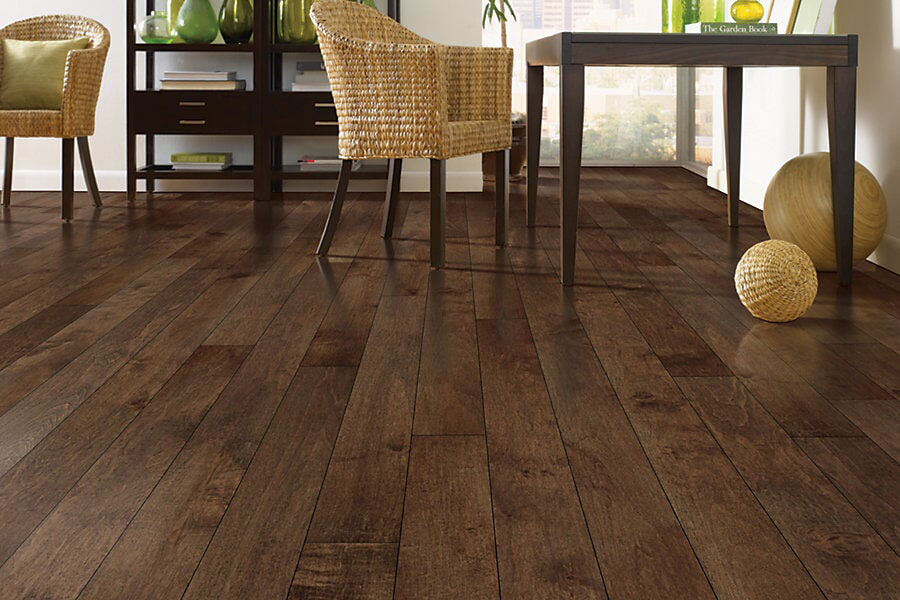
There is a distinct, undeniable warmth and elegance that natural hardwood flooring brings to a home. From the unique character of every individual wood grain to the way it instantly elevates the resale value of a property, genuine hardwood is a premium investment that never goes out of style. However, owning natural wood floors requires a basic understanding of how the material interacts with the surrounding environment—specifically atmospheric humidity. Because wood is a natural, porous material, it breathes and reacts to the moisture levels in your home. By understanding this relationship and choosing the right type of hardwood, you can enjoy stunning, lifelong floors without the worry of structural damage.
How Moisture and Humidity Affect Solid Wood
To keep your wood floors looking flawless, it helps to understand how moisture behaves. Wood is hygroscopic, meaning it acts like a sponge, absorbing and releasing moisture depending on the relative humidity of the air around it. During a wet, humid summer, solid wood planks absorb moisture from the air and expand. If there isn't enough space left between planks during installation, this expansion can cause the wood to lift or "cup" at the edges. Conversely, during drier winter months, the wood releases moisture and contracts, which can create small, visible gaps between the floorboards.
The Engineered Hardwood Solution for Humid Climates
If you love real wood but live in an area prone to high humidity, engineered hardwood flooring is an engineering marvel designed specifically for you. Engineered planks feature a top layer of real, premium hardwood bonded over multiple cross-grained layers of high-density backing materials. This clever cross-ply construction counteracts the natural tendency of wood to expand and contract in a single direction. As a result, engineered hardwood is highly stable and can safely be installed in environments where solid wood might fail, such as over concrete subfloops or in humid coastal regions.
Easy Tips for Maintaining a Stable Indoor Climate
Managing your indoor climate is the secret to extending the lifespan of your hardwood floors.
Keep your home's relative humidity level consistently between 35% and 55% using your central air conditioning unit or a dedicated dehumidifier.
Clean up liquid spills immediately with a dry or slightly damp cloth; never allow standing water to sit on a wood floor.
Use felt protectors under furniture legs and place breathable area rugs in high-traffic entryways to catch dirt and grit.
Our family-owned business has spent decades mastering the art of climate-appropriate floor installations. Discover more about us and read about our long-standing commitment to providing our community with expert knowledge and top-tier craftsmanship.
Explore Our Stunning Hardwood Collections
Investing in hardwood is an exciting journey that completely redefines the character and flow of your home. Choosing the right species, width, and finish is a hands-on experience that is best done with the help of seasoned professionals who know exactly how to prep your subfloor for long-term success. We invite you to view our gorgeous hardwood displays and talk with our helpful specialists. Find our showroom location online today to plan your visit, get expert answers tailored to your home's layout, and request an accurate estimate to get your project moving forward!


